May 2021
Seal rescued from Alki Beach, but doesn't make it
May/27/21 04:58 PM
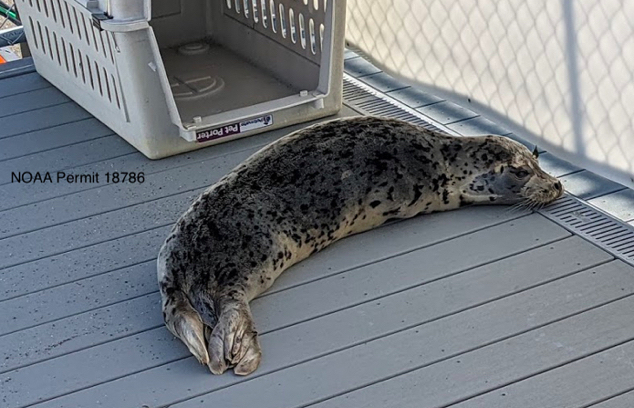
Dr. Greg suspected a neurological impairment from injury or infection, and the only way to find out was to examine the seal. The female seal was extremely lethargic until captured, when she spun about and tried to bite her rescuers. She was safely placed in a crate and transported to the rehab clinic.
The seal was nicknamed “Una” as she was the first patient at SR3’s newly-opened marine wildlife hospital in Des Moines. An exam showed she was a juvenile, probably 2-3 years old and not yet of reproductive age. X-rays revealed no signs of trauma such as broken bones. Una was treated for suspected protozoal infection and pain and seemed to be resting comfortably at SR3 (photo above).
Unfortunately Una passed away during her second night in care. A necropsy was performed; we hope the lab results will tell us what led to Una’s death.
May celebrates moms of all species
May/14/21 09:57 AM
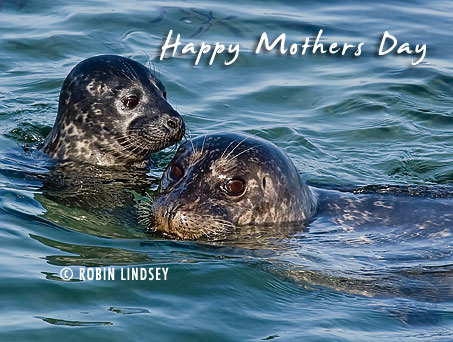
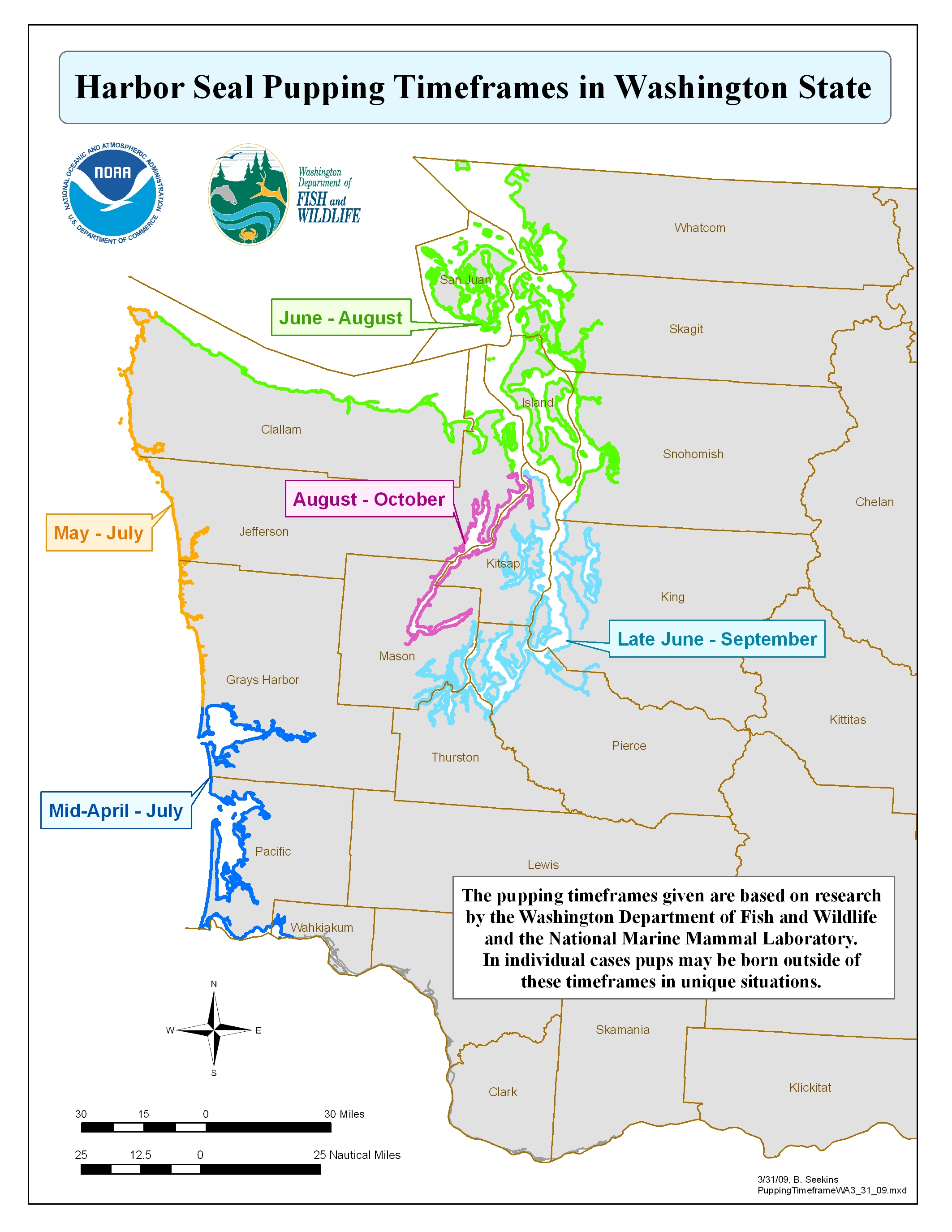
This is a reminder, too, that spring is the time for birthing of many wildlife species. Harbor seal pupping season is now underway on Oregon and Washington’s outer coast. Share the Shore - stay back and do not disturb!To view a map which show the pupping season timeline of all coastline in Oregon and Washington, click here.
Harbor seal moms form affectionate bonds with their pups. Immediately after birth (see birth photos here), a mom must memorize the scent and call of her newborn so she can locate the pup if they are separated. Pups weigh between 18-30 lbs when born. Mom will nurse her pup for 4-6 weeks and then the chubby pup is on his own - now gaunt from nourishing her pup, she needs to replenish her own fat stores. During that short time, she must teach her pup all the skills to survive against daunting odds - only 50% of pups survive the first year.
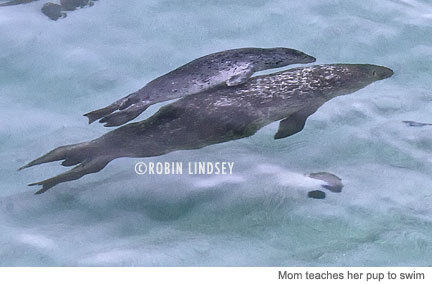
Sometimes, a mom will leave her pup, who may not have the strength to swim for long periods, alone to rest on shore. She returns later to nourish her hungry pup. Always stay back from a resting pup. Otherwise, the mom may abandon her young due to human interference. If you have concerns, contact your local Marine Mammal Stranding Network.
And finally, a “shout-out” to our Seal Sitters volunteers who are moms. These great women teach their children that respect for wildlife and concern for the health of our waterways is an empowering lesson to be learned and shared with others. We cannot thank you enough for your passion.